Choosing the best soil for irises is crucial for ensuring vibrant blooms and strong root systems. Irises thrive in well-draining, nutrient-rich soils that retain moisture without becoming waterlogged. Below is a summary table featuring carefully selected potting mixes ideal for irises, suited for indoor and outdoor planting needs.
| Product | Type | Key Features |
|---|---|---|
| Back to the Roots 100% Organic Indoor Potting Mix | Indoor Organic Potting Mix | Root-boosting mycorrhizae, organic yucca extract, peat-free formula |
| Miracle-Gro Organic Outdoor Potting Mix | Outdoor Organic Potting Mix | Quick-release natural fertilizer, OMRI listed, peat sourced responsibly |
| Miracle-Gro Houseplant Potting Mix | Indoor Fertilized Potting Mix | Reduced gnats, combines perlite, sphagnum, and peat moss |
| Succulent Cactus Potting Soil Mix by THE NEXT GARDENER.COM | All-Purpose Potting Mix | Fast drainage, moisture retention, suitable for succulents and more |
| Espoma Organic Premium Potting Soil Mix | Organic Mix for Flowering Houseplants | Rich blend with sphagnum peat, humus, perlite & yucca extract |
Back to the Roots 100% Organic Indoor Potting Mix

This mix features organic yucca extract, which helps retain moisture without suffocating the roots. It contains root-boosting mycorrhizae that improve root development and nutrient absorption. Being peat-free and organic, this potting soil reduces environmental impact while providing an ideal growing medium. Its moisture retention and aeration properties are well suited to keep iris rhizomes healthy indoors or when starting seedlings before transplanting outdoors.
Miracle-Gro Organic Outdoor Potting Mix

Designed for outdoor container plants, this mix includes a quick-release natural fertilizer that feeds for up to two months. Its OMRI listing certifies it as organic and environmentally responsibly produced. Irises planted outdoors benefit from the balanced nutrient supply and well-drained texture derived from this peat-based yet responsibly sourced medium.
Miracle-Gro Houseplant Potting Mix

This fertilized mix is engineered to be less prone to gnats, combining perlite, sphagnum moss, and peat moss which create an ideal indoor soil texture. The balance in moisture retention and aeration assists iris plants grown indoors, especially in pots or containers. Its nutrient blend supports healthy leaf and flower development for irises kept as decorative houseplants.
Succulent Cactus Potting Soil Mix by THE NEXT GARDENER.COM

Though formulated for succulents and cacti, this mix offers excellent drainage properties and moisture retention. It prevents overwatering while maintaining enough moisture for healthy growth. The fast-draining yet moisture-balanced nature makes it suitable for irises planted in well-draining beds or containers, particularly for gardeners who want to avoid root rot problems.
Espoma Organic Premium Potting Soil Mix
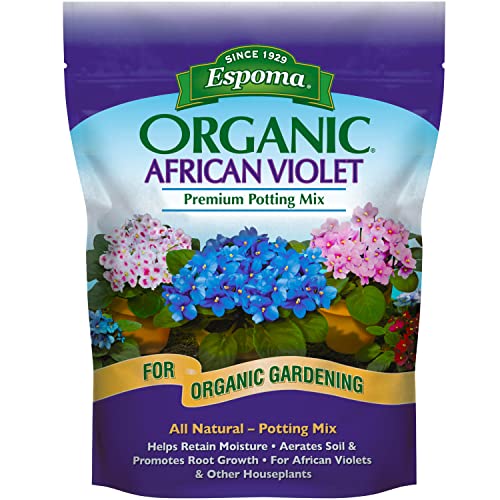
This rich organic mix contains sphagnum peat moss, humus, perlite, and yucca extract. Specifically designed for flowering houseplants, the formula promotes both healthy root growth and abundant flowering, which are essential for irises. Its organic components help enhance soil fertility naturally, suitable for repotting and starting new iris plants.
Buying Guide for Selecting the Best Soil for Irises
Soil Composition and Drainage
Irises require a well-draining soil mix to prevent waterlogging and root rot. Soils rich in organic matter, but not heavy with clay, work best. Adding perlite or sand enhances aeration and drainage, beneficial especially in container gardens or heavy soil regions.
Nutrient Content
Choosing potting mixes with natural, slow or quick-release fertilizers supports sustained growth. Essential nutrients such as nitrogen, phosphorus, and potassium encourage strong root development and vibrant blooms. Organic options also boost soil microbiota, improving overall plant health.
Moisture Retention
Soils that retain moisture without becoming soggy are ideal. Ingredients like sphagnum peat moss and yucca extract help maintain balanced moisture levels. This balance is vital to prevent iris rhizomes from drying out or rotting.
Indoor vs. Outdoor Use
Indoor iris cultivation benefits from sterilized, pest-resistant mixes that reduce fungus gnats and diseases. Outdoor soil should tolerate weather extremes and provide nutrients suitable for seasonal growth cycles. Some mixes are versatile enough for both environments.
Environmental Considerations
Eco-conscious gardeners may prefer peat-free or sustainably sourced potting mixes. Peat harvesting impacts ecosystems, so alternatives like coir (coconut fiber) or certified peat sources help reduce environmental footprints.
Plant Type and Growth Stage
Young irises or starter plants often need nutrient-rich, light soils for establishing roots. Mature plants may thrive in soils with moderate fertility and excellent drainage. Choosing soil blends that match the iris variety and its growth phase ensures optimal results.