Best Sand for Succulents to Enhance Growth and Drainage 2025
Choosing the right sand for succulents is essential to ensure proper drainage, nutrient balance, and healthy root growth. Succulent plants require coarse, well-draining soil mixtures to prevent root rot and promote vitality. We have selected several highly rated sand products from Amazon that cater to different succulent-growing needs—whether as a soil amendment, decorative top dressing, or terrarium additive.
| Product Name | Brand | Weight | Key Features |
|---|---|---|---|
| Mosser Lee ML1113 Desert Sand 7 lb. | Mosser Lee | 7 lb. | Improves soil look, decorative use, suitable for terrariums |
| OUPENG Coarse Sand Stone 1.6 lb. | OUPENG | 1.6 lb. | Coarse silica sand, natural drainage, decorative gravel for succulents |
| Back to the Roots Organic Succulent & Cacti Mix 6 Quart | Back to the Roots | 6 Quart | Organic soil mix, rapid drainage, nutrient balanced for succulents |
| TOYPOPOR Coarse Silica Sand 2.2 lb | TOYPOPOR | 2.2 lb. | Natural, coarse sand, for plants and aquariums, good drainage |
| Boniosz 1-3mm Fine Silica Sand 2.4 lb. | Boniosz | 2.4 lb. | Fine silica sand, improves soil aeration, stabilizes pots, multi-use |
Mosser Lee ML1113 Desert Sand 7 lb.

The Mosser Lee ML1113 Desert Sand is designed primarily to improve the appearance of houseplants by covering the soil surface. Its new larger size bag of 7 pounds allows for ample coverage. This sand is suitable for decorative use in clear vases, dish gardens, and terrariums, offering a natural desert-like aesthetic. While not a soil mix on its own, this desert sand enhances drainage and keeps soil compactness in check when used as a top dressing or added in layers around succulents.
OUPENG Coarse Sand Stone for Succulents 1.6 lb.

OUPENG’s Coarse Sand Stone is a natural decorative gravel ideal for succulents, cactus bonsai, and terrariums. The 1.6-pound bag includes gold sand-colored natural stones of irregular shapes that promote drainage and prevent water stagnation. The sand’s coarse silica texture also helps avoid root rot from excess moisture retention. It doubles as an aquarium sand, indicating its purity and cleanliness, making it versatile for plant and aquatic environments alike.
Back to the Roots Organic Succulent & Cacti Mix 6 Quart

This organic succulent and cacti mix from Back to the Roots is more than just sand—it’s a balanced soil blend crafted for optimal succulent health. It integrates aged bark for soil structure enhancement and uses both perlite and horticultural sand for rapid drainage. This mix ensures nutrient balance and root aeration, preventing waterlogged conditions that succulents are sensitive to. Ideal for indoor and outdoor succulent planting.
TOYPOPOR Coarse Silica Sand 2.2 lb for Succulents
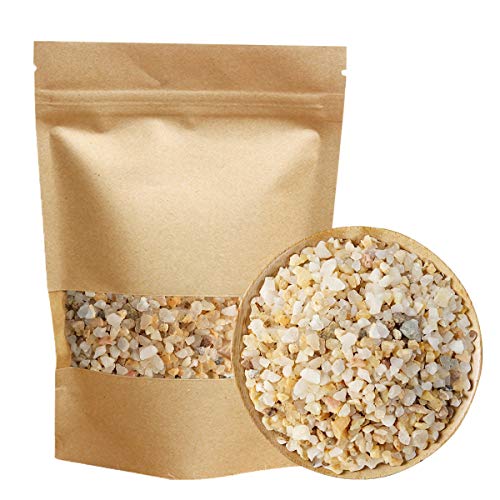
This TOYPOPOR silica sand caters to succulent, cactus, bonsai, and carnivorous plant soil needs. It features a natural, coarse texture that promotes good soil aeration while preventing over-saturation. Though often used in aquariums for its natural filtering capacity, this sand is well suited for horticultural applications where drainage and root health are priorities. Its versatility extends to terrariums and decorative vases.
Boniosz 1-3mm Fine Silica Sand 2.4 lb.

The Boniosz fine silica sand offers a slightly finer grain of 1-3mm, excellent for mixing with potting soils to improve drainage and aeration. This sand aids in stabilizing succulent pots by enhancing soil structure and locking in both moisture and nutrients. It also functions well in aquariums and other garden applications, making it a multi-purpose product for succulent enthusiasts requiring improved soil performance.
Buying Guide for Succulent Sand
When selecting sand for succulents, consider the following key factors to ensure you choose a product that supports healthy plant growth:
1. Grain Size and Texture
Coarse sand is preferable as it improves drainage and prevents soil compaction, which can suffocate roots. Fine sand may retain too much moisture, leading to root rot. A mixture with coarse particles around 1-3 mm is ideal for succulents.
2. Drainage and Soil Aeration
Succulents thrive in well-draining substrates. Sand that aids in rapid water flow away from roots and facilitates aeration avoids waterlogging and fungal issues. Look for sand described as horticultural sand or silica sand for best results.
3. Cleanliness and Purity
Choose sand that is free from contaminants and salts, especially if used indoors or in terrariums. Washed silica sand or aquarium-safe sands are generally safe choices, ensuring no harmful residues damage your plants.
4. Decorative Appearance
Many succulent growers prefer using sand as a top dressing to enhance pot appearance. Consider sand that offers natural colors and attractive textures if aesthetics are important.
5. Multipurpose Use
Some sands serve multiple functions—plant soil amendment, aquarium substrate, terrarium decoration—which can be convenient and cost-efficient. Check product descriptions for versatility if you grow various plants or maintain aquariums.
6. Organic Composition versus Pure Sand
Organic soil mixes containing sand and perlite may provide additional nutrients and soil structure, ideal for planting. Pure sand products are great for improving drainage when mixed with existing soil.
Overall, the best sand for succulents combines good drainage, cleanliness, appropriate grain size, and sometimes decorative appeal to foster strong, healthy succulent growth and enhance your planting setup.