Best Plants for Xeriscaping to Create Beautiful, Water-Efficient Gardens 2025
Create a vibrant, drought-tolerant garden with the best plants for xeriscaping. These species are adapted to thrive in low-water conditions, reducing maintenance and conserving resources. Below is a summary table of carefully selected xeriscaping plants to help you choose the ideal additions for your landscape.
| Plant Name | Brand | Key Feature |
|---|---|---|
| Live Lysimachia Plant – Creeping Jenny | The Three Company | Rapid spreading trailing plant with bright yellow-green leaves |
| Outsidepride Rose Cleome Seeds | Outsidepride | Tall annual flower with airy, drought-tolerant rose blooms |
| Outsidepride Green Purslane Seeds | Outsidepride | Edible, succulent ground cover with drought tolerance |
| Outsidepride Violet Cleome Seeds | Outsidepride | Drought-tolerant spider plant with violet spidery flowers |
| Outsidepride Lavender Blue Giant Hyssop Seeds | Outsidepride | Perennial herb with fragrant, drought-resistant blooms |
Live Lysimachia Plant – Creeping Jenny

Live Lysimachia, commonly known as Creeping Jenny, is a vibrant trailing plant ideal for xeriscaping gardens where ground coverage is desired. This plant features bright yellow and green leaves that shine in full sun, enhancing landscape aesthetics. It grows approximately 4 inches tall and can spread extensively, reaching up to 18 inches wide, making it a rapid and effective ground cover option.
Although considered somewhat invasive due to its spreading nature, Creeping Jenny thrives in moist, well-draining soil. Regular watering during establishment is necessary, but it handles drought well once mature. It suits sunny spots, where its leaf color becomes most vivid.
Outsidepride Rose Cleome Seeds
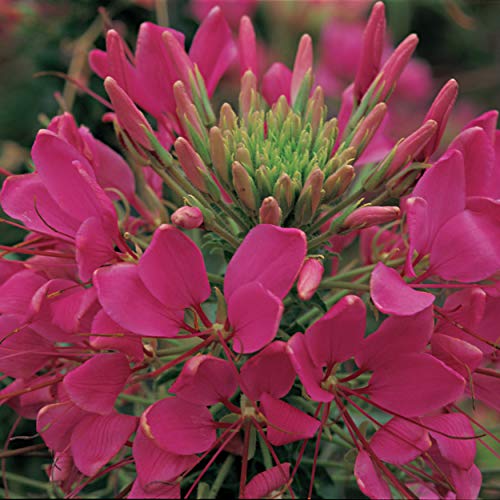
The Rose Cleome is a tall, striking annual flower growing 36-42 inches high. It is well-suited for USDA zones 3-10 and prefers full sun and well-drained, moist soil. Once established, this plant shows strong tolerance for both heat and drought, making it an excellent choice for xeriscaping and water-conscious gardens.
Blooming from summer to fall, its large rose-colored, airy, spidery flowers add visual interest and serve as pollinator magnets. Its lush, bushy foliage adds dimension to borders or flower beds and adapts well to various garden designs, including traditional and xeriscaped landscapes.
Outsidepride Green Purslane Seeds

Green Purslane is a succulent annual known for its drought tolerance and dual-purpose use as both an ornamental ground cover and an edible green. Growing between 6 and 12 inches tall, it flourishes in USDA zones 3-10 and attracts pollinators with its delicate green flowers from late spring to early fall.
Its nutritional benefits make it a healthy addition to fresh salads, smoothies, or cooked dishes. This plant thrives in limited space, containers, and urban gardens, providing vibrant foliage and low-maintenance ground coverage that complements xeriscaped designs.
Outsidepride Violet Cleome Seeds

The Violet Cleome produces tall, bushy plants reaching 36-42 inches with striking violet spidery flowers. Suitable for USDA zones 3-10, these plants prefer sunny locations and well-drained, moist soils. Once established, they demonstrate excellent drought tolerance, making them reliable for xeriscaping.
Blooming from summer through fall, these flowers offer long-lasting color and attract pollinators. Their versatile structure allows them to be used as focal points or backdrops in both traditional and water-wise garden beds, enhancing landscape texture with minimal water use.
Outsidepride Lavender Blue Giant Hyssop Seeds

Lavender Blue Giant Hyssop, also known as Agastache, is a perennial herb reaching 26-32 inches in height. Ideal for USDA zones 5-9, it thrives in full sun to partial shade with well-drained soil. This plant adapts well to drought conditions once established, making it suitable for xeriscaping and limited water areas.
It blooms vibrantly in summer with fragrant, sweet, anise-like orange flowers that add sensory appeal and attract pollinators. Being a perennial, it comes back annually and can self-seed, providing continuous garden interest and vertical texture to small landscapes and containers.
Buying Guide for Xeriscaping Plants
Choosing the best plants for xeriscaping requires understanding several important factors to ensure your garden thrives with minimal water. Here are key considerations when making your selections:
1. Water Requirements
The primary goal of xeriscaping is to conserve water. Select plants that are inherently drought-tolerant or establish quickly to reduce watering needs. Plants like Purslane and Cleome species are excellent for their ability to thrive with less frequent irrigation once established.
2. Climate and Hardiness Zones
Choose plants adapted to your USDA hardiness zone. For example, Rose and Violet Cleome seeds perform well across zones 3-10, ensuring hardiness in a range of climates. Make sure the plant’s tolerance matches your local conditions, including temperature extremes and seasonal patterns.
3. Soil Conditions
Well-draining soil is critical in xeriscapes to prevent root rot and support drought tolerance. Many xeriscaping plants like Hyssop and Creeping Jenny prefer well-drained, moist (but not wet) soils. Amend soils with sand or gravel if drainage is poor.
4. Plant Size and Growth Habit
Consider the mature size of each plant and its growth habit to plan appropriate spacing and combination. Creeping Jenny spreads rapidly, so it’s ideal as ground cover. Tall plants like Cleome add vertical interest but require sufficient space and occasional pruning.
5. Maintenance Needs
Low maintenance is ideal in xeriscapes. Look for plants that require minimal feeding, pruning, or deadheading. Perennials like Lavender Blue Giant Hyssop return yearly and self-seed, providing long-term garden structure without extra effort.
6. Aesthetic and Functional Benefits
Select plants that enhance beauty and support ecosystem functions such as pollinator attraction. Flowering species like Cleome and Hyssop not only add color but also benefit bees and butterflies. Edible plants like Purslane offer functional value beyond decoration.
7. Growth Rate and Spread
Rapid growers like Creeping Jenny efficiently cover soil to reduce erosion and weed growth but may require containment. Slow spreading perennials contribute to stable borders and diversity. Balance fast and slow growers for a managed, natural look.
By evaluating these factors, you can create a sustainable, attractive xeriscaped garden suited to your environment and aesthetic preferences.