Best Perennial Climbing Plants for Full Sun: Vigorous Vines for Vertical Garden Spaces
Gardeners seeking durable, low-maintenance vertical interest for sunny walls, trellises, and fences will find a wide selection of perennial climbers suited to full sun. This guide highlights five reliable options that spread, twine, or fan out to create lush vertical greenery year after year. From flowering vines that attract pollinators to evergreen mats that stabilize soil, these perennials offer diverse textures, colors, and bloom times. Each entry below includes key traits, ideal growing conditions, and installation notes to help you choose the best climber for your landscape.
| Product | Type | Best For | Sun Condition |
|---|---|---|---|
| Creeping Jenny Live Plant (Lysimachia nummularia) – 2 Plants | Trailing Groundcover | Filling low beds and erosion control | Full sun to partial shade |
| 200 Honeysuckle Seeds | Climbing Vine | Fragrance and pollinator attraction | Full sun to partial shade |
| Amethyst Falls Wisteria Vine | Vine | Elegant purple blooms on trellises | Full sun |
| Violet Cobaea Cup and Saucer Vine Seeds | Climbing Vine | Large, violet flowers and tall vertical coverage | Full sun |
| Clematis Diamantina Hybrid | Clematis | Compact climber with double blooms | Full sun to partial shade |
Note: All plants listed are perennials or long-lived climbers suitable for American gardens. For each selection, consider soil type, spacing, support structure, and local climate zones to maximize performance in full sun environments.
Amethyst Falls Wisteria Vine—Elegant Purple Blooms

Amethyst Falls Wisteria Vine is a compact, fast-growing climber suited to smaller spaces yet delivering classic wisteria drama. Grown in a 3-gallon container, this live shrub-like vine is cold-hardy and establishes quickly in zones 5 through 9. Its fragrant, pale-lavender blossoms emerge in spring and continue through early summer, offering a steady nectar source for pollinators. As a perennial climber, it is ideal for trellises, fences, and container setups. The plant’s robust root system supports vigorous growth, while a disciplined pruning routine helps maintain a tidy silhouette in tight garden beds.
Growing tips: Plant in full sun with well-drained soil. Provide sturdy support and prune after flowering to shape vertical reach. While Amethyst Falls is inherently resilient, regular watering during establishment helps it idealize a strong, healthy framework for future seasons.
Violet Cobaea Cup and Saucer Vine Seeds

Violet Cobaea seeds produce vigorous climbing vines with lush foliage and striking large flowers that transition from green to vivid violet. These climbers can reach up to 30–40 feet under optimal conditions, making them a standout option for expansive vertical displays on fences, trellises, and arbors. They thrive in full sun with moist, well-drained soil and are well-suited for USDA zones 9–11. The blooms carry a musky fragrance that attracts hummingbirds, adding both visual and sensory appeal to your garden. Once established, Cobaea vines require minimal maintenance beyond steady moisture and occasional support reinforcement.
Care considerations: Ensure a sturdy trellis or fence is in place before sowing. Plus, consider starting seeds indoors or using a warm bed to accelerate germination in cooler spring soils. Regular watering during establishment will support quicker clumping and better bloom potential in late summer through fall.
Clematis Diamantina Hybrid—Long Blooming Purple Blooms
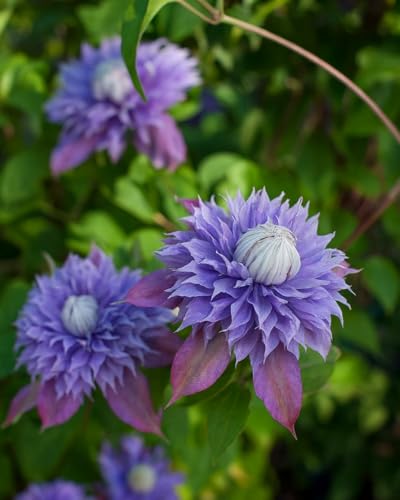
The Clematis Diamantina Hybrid is a regal, long-blooming climber ideal for trellises and decorative containers. This variety offers large, double purple blossoms that bring a refined touch to patios and entryways. The plant is described as a seasonal-condition receipt, with sometimes a dormant phase when shipped outside peak growing months. It remains compact, typically reaching about 4–5 feet tall, making it suitable for smaller spaces while still delivering high-impact vertical color. Plant in a sun-soaked location with rich, well-drained soil and a supportive structure to maximize bloom cycles year after year.
Maintenance notes: Pruning practices vary with Clematis varieties. For Diamantina, target early-season pruning to encourage fresh growth and robust flowering across the growing season. Mulching and consistent watering help sustain vigor in sun-drenched climates.
200 Honeysuckle Seeds—Fragrant Climbing Vines

Honeysuckle vines are renowned for their fragrance and pollinator appeal. The 200-seed offering provides a hardy, twining climber capable of extending from ground level upward along fences or trellises. Full sun to partial shade is preferred, with a support structure to guide the twining growth habit. While the seeds are a hardy way to start a perennial climber, germination times can vary, commonly ranging from several weeks to a few months depending on soil conditions. Once established, honeysuckle vines can deliver year after year of fragrant, bird-attracting blooms that brighten summer gardens.
Growing guidance: Soak seeds to aid germination, then plant in a sunny location with consistent moisture. Support is essential for vertical growth, and pruning after flowering helps maintain a tidy, vigorous structure. Be aware that some honeysuckle species can spread aggressively; consider containment strategies if you have limited space.
Tangerine Beauty Crossvine—Vivid Orange Blooms

The Tangerine Beauty Crossvine is a striking evergreen-looking climber with bright orange trumpet-shaped blooms that bring a tropical vibe to sunny spaces. This live plant pack includes two small rooted stock plants, ready for installation along fences, arbors, or trellises. Crossvine is ideal for coverage of vertical surfaces and works well in full sun where its blooms can glow against greens and browns of garden structures. The plant’s vigorous nature makes it a practical choice for new vertical installations, though it benefits from sturdy support and regular watering during establishment.
Practical considerations: Ensure the chosen container or bed has drainage and receives direct sun for most of the day. Crossvine may require training to encourage vertical growth rather than sprawling, and periodic light pruning helps maintain a clean silhouette while promoting blooming sites.
Buying Guide: Key Purchase Considerations for Full-Sun Climbers
- Sun exposure and climate zones: Match each plant’s preferred sun exposure and hardiness zone with your local climate. Some climbers perform best in zones 5–9, while others thrive only in warmer regions.
- Support and structure: Trellises, arbors, fences, and sturdy wires are essential. Select plants with growth habits that align with your support system, whether they twine, spread or climb via tendrils.
- Growth rate and mature size: Consider how quickly you want a vertical display and how large the plant will become. Some climbers remain compact (Clematis Diamantina), while others can rapidly cover large structures (Cobaea, Honeysuckle).
- Bloom duration and fragrance: If pollinators and scent matter, prioritize varieties with longer bloom windows and fragrant scents, such as honeysuckle and wisteria.
- Maintenance and pruning: Some climbers require regular pruning to maintain shape and vigor; others need minimal upkeep after establishment. Plan for seasonal care in your landscape schedule.
- Soil and drainage: Most full-sun climbers like well-drained soil. Improve heavy or sandy soils with compost and mulch to retain moisture without encouraging root rot.
- Watering needs: Newly planted climbers require consistent moisture until establishing a robust root system. After establishment, many clones tolerate drought better but will perform best with steady moisture in hot climates.
- Pollinator value: If attracting bees, butterflies, or hummingbirds is a goal, choose flowering climbers with nectar-rich blooms that align with your garden’s nectar calendar.
- Invasiveness and containment: Some species can spread aggressively. Consider containment strategies for smaller spaces or choose cultivars with controlled growth habits.
- Container compatibility: For patios and small spaces, select climbers adaptable to containers with strong root systems and adequate sun exposure.