When camping in cooler weather, having a reliable non-electric heater for your camper ensures warmth without relying on power sources. This guide explores top-rated propane and other non-electric heaters ideal for campers, focusing on safety, portability, and heating efficiency. Below is a summary table featuring the best options for camper heating comfort.
| Product Name | Type | Heat Output | Safety Features | Best For |
|---|---|---|---|---|
| Mr. Heater Portable Buddy MH9BX | Propane Radiant Heater | 4,000–9,000 BTU | Tip-over safety switch, Piezo igniter | Indoor Safe, Campers, Workshops |
| Emerson Thermostats 1E78-140 | Non-electric Thermostat Controller | N/A | N/A | Heating System Control |
Mr. Heater Portable Buddy Heater MH9BX
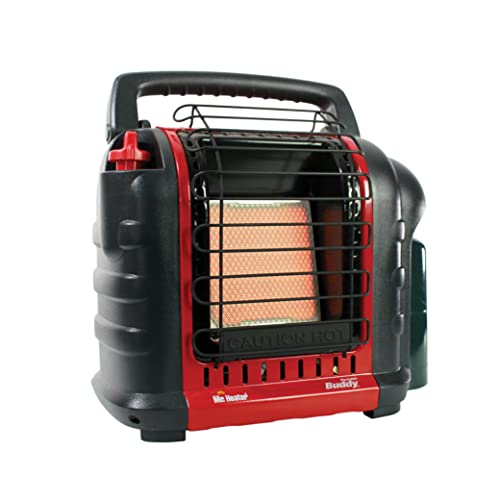
Mr. Heater Portable Buddy Heater MH9BX is a top choice for a non-electric propane heater designed for campers, workshops, and outdoor workspaces. Its key feature is the adjustable BTU output ranging from 4,000 to 9,000, allowing heating for spaces up to 225 square feet. The radiant heat technology directly warms objects and people, mimicking natural sunlight warmth.
This heater includes improved safety with a reliable tip-over safety switch that stops heat if the unit tips, enhancing safe operation in mobile or rugged settings. The Piezo igniter ensures quick, matchless ignition with no external flame or battery needed, ideal for camping environments.
This unit’s compact size and propane fuel source make it perfect for camper heating without dependence on electric power. Its safety features and efficient heating capacity provide warmth in enclosed or semi-open spaces safely.
Emerson Thermostats 1E78-140 Non-Programmable Heat Thermostat

The Emerson 1E78-140 thermostat pairs well with non-electric heating systems in campers that use single-stage heat sources such as propane or kerosene heaters. It features a simple, easy-to-read digital display with backlight for temperature monitoring.
This non-programmable thermostat offers precise temperature control for single-stage heating systems without requiring electricity for advanced programming. Proper thermostat use complements non-electric heaters by ensuring heat is delivered only when needed, improving fuel efficiency during camping.
Though it is a control device rather than a heat source, it helps optimize the heating setup in campers that use a non-electric or low-electricity heater unit.
Other Notable Electric Heaters (For Reference)
The following electric heaters are highlighted for indoor home or office but are not suitable as non-electric camper heaters. They offer fast, energy-efficient heating with multiple modes and safety features but require electrical power, which limits use in off-grid camping.
- Dreo Space Heater, Portable Electric
- Dreo 1500W Portable Electric Heater
- Wind Talk 1500W Fast Electric Portable Heater
- Dreo Fast Heating Portable Heaters
- Elevoke 1500W PTC Electric Heater
Buying Guide for Non-Electric Heaters for Campers
Heat Source Type
For camper heating without electricity, propane heaters are the most common and reliable choice. They offer radiant, direct heat and are easy to fuel with portable propane tanks. Alternatives include kerosene heaters or wood-burning stoves but require more preparation and ventilation.
Heating Output and Coverage
BTU rating indicates heating power: higher BTUs mean more heat output. For campers, a heater with adjustable output between 4,000 and 9,000 BTUs often suffices to warm a typical camper or small enclosed space.
Safety Features
Safety is critical with non-electric heaters using combustion fuel. Look for manual or automatic tip-over shutoff, oxygen depletion sensors (ODS), and overheat protection. An integrated Piezo igniter eliminates the need for external matches or lighters, simplifying ignition safely.
Portability and Size
Choose lightweight, compact units designed for portability. This allows easy transport, storage, and setup inside small camper spaces. Also consider propane container compatibility and ease of refueling.
Ventilation Requirements
Non-electric heaters generate combustion gases; ensure your camper is adequately ventilated to avoid carbon monoxide buildup. Some heaters are certified for indoor use with low emissions; always follow manufacturers’ ventilation guidelines carefully.
Fuel Accessibility
Confirm propane or alternative fuel availability for your camping location and ease of transport. Propane is widely accessible and works well with portable heaters designed for safe camper use.
Temperature Control
While some propane heaters offer adjustable heat settings, thermostats like Emerson’s 1E78-140 help maintain steady camper temperatures when paired with compatible heating systems.