Best Mulch and Soil for Growing Tomatoes in Pots 2025
Growing tomatoes in pots requires the right mulch or soil to ensure healthy growth, moisture retention, and nutrient availability. Choosing the best mulch for tomatoes in containers can enhance soil aeration, reduce weeds, and improve water conservation. Below is a comparative summary of top mulch and soil options suited for potted tomato plants, featuring organic blends, coconut fiber rings, cedar shavings, and more.
| Product | Brand | Key Features |
|---|---|---|
| Coast of Maine Organic & Natural Planting Soil | Coast of Maine | Organic compost blend, moisture retention & drainage, suitable for containers and ground |
| ZeeDix Coconut Fibers Mulch Ring | ZeeDix | 12-pack, natural coco coir, weed prevention, water retention, easy trimming |
| Natural Cedar Shavings Mulch | Wood Smith USA | 100% natural cedar, moisture retention, odor control, pet bedding versatility |
| SuperMoss Natural Brown Coco Mulch | SuperMoss | Supports growth, stays moist, disease-free, long-lasting mulch |
| Brut Organic Aspen Mulch | BRUT WORM FARMS | High carbon content, water retention, pH balancing, weed prevention |
Coast of Maine Organic & Natural Planting Soil for Tomatoes

The Coast of Maine Organic & Natural Planting Soil is a premium, lightweight potting mix designed specifically for vegetables and tomatoes. It utilizes a blend of composted manure and sphagnum peat moss to create a balance of moisture retention and drainage, crucial for container-grown tomatoes. This soil is versatile, suitable for seeding, transplanting, and topping off indoor or outdoor pots. Its organic nature supports abundant plant growth while revitalizing the soil’s health. Ideal for gardeners who seek an all-in-one solution that nourishes the plant roots while preventing waterlogging.
ZeeDix Coconut Fibers Mulch Ring Tree Protector Mat

The ZeeDix Coconut Fibers Mulch Ring is a natural, organic coconut coir mulch available as a 12-pack of rings. Each ring is 11.8 inches in diameter and can be trimmed to fit pots or plant bases. These mulch rings prevent weed growth, stabilize soil temperature, and retain moisture around tomato roots. The thick, durable fibers help maintain soil health and encourage crisp root development. These mulch mats are suitable for indoor and outdoor use, offering a clean and natural look for potted plants.
100% Natural Cedar Shavings Mulch for Potted Plants
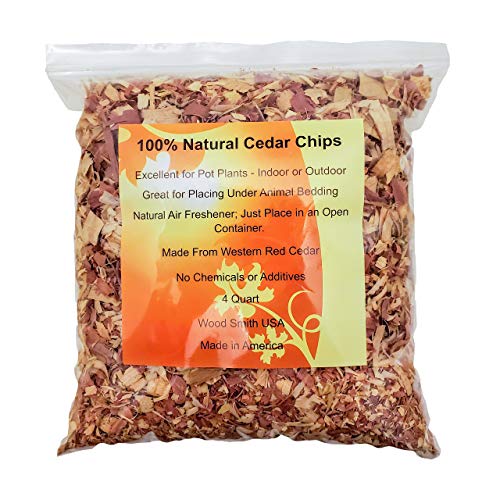
Wood Smith USA’s 100% Natural Cedar Shavings offer a unique mulching option with natural moisture retention and subtle cedar aroma. This mulch is effective for both outdoor and indoor tomato containers. Additionally, cedar’s natural properties help keep pests at bay. The small-sized cedar shavings enhance air circulation in the soil and contribute to odor control, making it an excellent choice for gardeners looking for an organic mulch that provides both functionality and pleasant scent.
SuperMoss Natural Brown Coco Mulch for Tomatoes

The SuperMoss Coco Mulch is a natural coconut fiber mulch designed to grow bigger plants with more blooms and fruits. Unlike peat soils that can harden and repel water, this mulch stays loose and absorbs water efficiently. Free from soil-borne diseases, it’s an excellent choice for container tomatoes, promoting healthy root zones while providing beneficial aeration. Its long-lasting nature makes it a convenient mulch that supports sustainable container gardening.
Brut Organic Aspen Mulch for Potted Vegetables

Brut Organic Aspen Mulch stands out for its high carbon content (30%), which adds beneficial carbon to the soil without drawing nitrogen away from the plants. Its excellent water retention capabilities allow it to release water slowly, reducing the frequency of watering for potted tomatoes. The mulch’s slightly alkaline pH helps counter acidic soils, while its coverage prevents weeds from taking root. Odor-free and usable both indoors and outdoors, it’s a versatile addition to any tomato container setup.
Buying Guide for Mulch and Soil for Tomatoes in Pots
When selecting mulch or soil for potted tomatoes, several key factors should guide your choice to ensure your plants thrive.
Organic vs. Synthetic Mulch
Organic mulch such as coconut fibers, cedar shavings, or aspen mulch improves soil fertility as it decomposes, contributing nutrients and enhancing soil texture. Synthetic mulches do not decompose and are mainly used to block weeds or retain moisture but lack nutrient contributions.
Water Retention and Drainage
Tomatoes require consistently moist but well-draining conditions. The soil or mulch should retain sufficient moisture while avoiding waterlogging, which can lead to root rot. Products like Coast of Maine’s planting soil and coconut fiber mulches excel in balancing moisture management.
Weed Prevention
Mulch should act as a barrier against weeds, reducing competition for nutrients and water. Thicker mulches or mulch mats such as coconut rings help suppress weed growth effectively around the base of tomato plants.
Air Circulation and Root Health
Good aeration avoids soil compaction and encourages healthy roots. Mulches like cedar shavings and coconut coir maintain airflow within the container soil, improving root respiration and nutrient uptake.
pH Balance and Nutrient Content
Tomatoes prefer slightly acidic to neutral pH levels (6.0-7.0). Choose mulch or soil that helps maintain or gently adjust pH while providing essential nutrients. Aspen mulch contributes carbon without depleting nitrogen, beneficial for soil chemistry.
Ease of Use and Maintenance
Consider the ease of trimming or applying mulch in your container setup. Coconut fiber rings or lightweight shavings offer convenience and neatness, especially for indoor use.
Longevity and Cost-Effectiveness
Some mulches break down quickly and require frequent replacement, while others last longer. Durable mulches like coconut coir and aspen offer longer-term benefits, balancing maintenance time and cost.
Assessing these factors based on your specific environment, container size, and care routine will help you choose the best mulch or soil for growing healthy, productive tomato plants in pots.