Keeping your plants safe from damaging insects is essential for a thriving garden or healthy houseplants. Various insect killers offer targeted pest control for different plant types and environments. Below is a summary table featuring the top insect killers designed specifically for plants, including their key features and intended uses to help guide your decision.
| Product Name | Brand | Key Feature | Use |
|---|---|---|---|
| Garden Safe Houseplant & Garden Insect Killer 2 | Garden Safe | Kills 100+ listed insects on contact | Homes, gardens, greenhouses, edible crops |
| Garden Safe Multi-Purpose Garden Insect Killer 2 | Garden Safe | For organic gardening, kills 100+ insects | Homes, gardens, greenhouses, edible crops |
| Bonide Systemic Houseplant Insect Control Granules | Bonide | Residual protection up to 8 weeks | Containerized indoor and outdoor plants |
| Safer Insect Killing Soap Concentrate | Safer | OMRI listed, kills soft-bodied insects on contact | Flowers, herbs, vegetables, houseplants |
| Sevin Insect Killer Ready to Use | Sevin | Kills over 700 insects on contact | Roses, edible plants, diverse garden uses |
Garden Safe Houseplant & Garden Insect Killer 2

Garden Safe Brand Houseplant & Garden Insect Killer 2 is designed to kill over 100 listed insects on contact, including aphids, tomato hornworms, and green fruitworms. This product is versatile for use in homes, home gardens, and greenhouses and safe to use on vegetables, herbs, fruits, nuts, ornamental trees, flowers, and houseplants. It can be applied safely up to the day of harvest, making it suitable for edible crops without compromising safety.
Garden Safe Multi-Purpose Garden Insect Killer 2

This Garden Safe Multi-Purpose Garden Insect Killer 2 is ideal for organic gardening, suitable for homes, gardens, and greenhouses. It kills 100+ listed insects such as aphids and hornworms on contact and is also approved for use on edible crops up to and including the day of harvest. This product integrates well with organic practices while providing effective broad-spectrum insect control.
Bonide Systemic Houseplant Insect Control Granules

Bonide Systemic Houseplant Insect Control offers a unique granular form that is absorbed by plant roots, providing up to 8 weeks of protection against pests such as mealybugs, aphids, and scale. It works systemically, killing pests through ingestion rather than contact, making it a low-odor option suited for containerized plants indoors and outdoors. Its protection is water-resistant, so pests remain controlled even after watering.
Safer Insect Killing Soap Concentrate
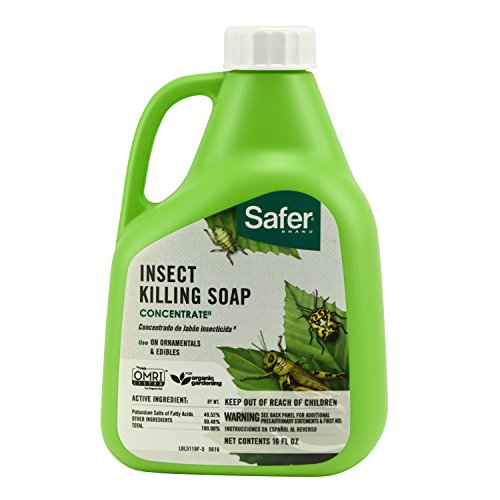
The Safer Insect Killing Soap Concentrate is an OMRI-listed insecticidal soap that kills a variety of soft-bodied insects like aphids, whiteflies, thrips, and spider mites by weakening their protective outer shells. It is gentle on most plants, making it suitable for flowers, herbs, vegetables, houseplants, lawns, trees, and shrubs. This contact killer works immediately and can be thoughtful choice for organic gardeners.
Sevin Insect Killer Ready to Use

Sevin Insect Killer Ready to Use protects roses and edible plants from more than 700 listed insects. Its formula kills pests on contact without harming plants or blooms, allowing gardeners to tackle a diverse insect population quickly and efficiently. It is suitable for general garden use where broad-spectrum pest control is required.
Buying Guide for Insect Killers for Plants
When choosing the best insect killer for your plants, several key factors should be considered to ensure both effectiveness and plant safety.
Type of Pests Targeted
Identify the insects attacking your plants. Some insect killers are broad-spectrum and kill many pests on contact, while others work systemically through ingestion or target specific pests like spider mites or aphids. Choose one that covers the primary pests present in your garden or houseplants.
Plant Type and Environment
Consider whether you are treating indoor houseplants, outdoor gardens, edible crops, or ornamentals. Some products are formulated for organic gardening or safe use up to the day of harvest, important for vegetables and herbs. Others may be better suited for ornamental plants only.
Application Method and Residual Protection
Insect killers come in sprays, granular forms, soaps, and concentrates requiring dilution. Systemic products absorbed by roots may offer longer protection, while contact sprays work immediately but might need reapplication. Choose based on convenience and your plant care routine.
Safety and Environmental Impact
Look for OMRI certification or organic labeling if you prefer environmentally friendly options. Ensure the product is safe for beneficial insects, pets, and humans where possible, especially in home gardens.
Effect on Plant Health
Some insecticides also control fungal diseases or mites. Consider multifunctional products that protect against multiple threats to reduce the number of treatments needed.
By evaluating these perspectives—pest type, plant environment, application preferences, safety, and additional benefits—you can find the best insect killer to keep your plants healthy and pest-free.