Best Fertilizers for Vibrant Blooms and Flowering Plants 2025
Enhancing flower blooms with the right fertilizer is essential for gardeners aiming to achieve vibrant and healthy plants. This guide reviews the best fertilizers specifically formulated for blooms, covering water-soluble, organic, liquid, and slow-release plant foods. Below is a summary table of the top products selected for this article, perfect for outdoor flowers, fruiting plants, containers, and garden beds.
| Product | Brand | Type | Key Nutrients | Feeding Frequency |
|---|---|---|---|---|
| Scotts Super Bloom Water Soluble Plant Food | Scotts | Water Soluble | NPK 12-55-6 | Every 1-2 weeks |
| Miracle-Gro Performance Organics Blooms Granules | Miracle-Gro | Organic Granules | Natural & Organic Ingredients | As directed |
| Farmer’s Secret Fruit & Bloom Booster Fertilizer | Farmer’s Secret | Liquid Concentrate | Super Concentrated Formula | Dilute 1 tsp per 2 gallons water |
| Miracle-Gro Water Soluble Bloom Booster Flower Food | Miracle-Gro | Water Soluble | NPK 10-52-10 | Every 2 weeks |
| Scotts Rose & Bloom Continuous Release Plant Food | Scotts | Continuous Release Granules | Balanced for Roses & Flowers | Feeds up to 2 months |
Scotts Super Bloom Water Soluble Plant Food
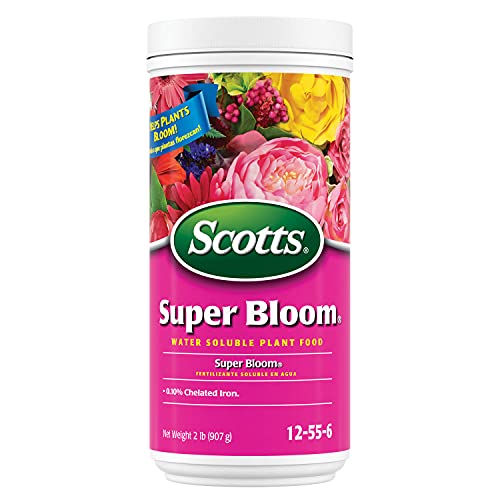
Designed for outdoor flowers, fruiting plants, and container gardens, this water-soluble fertilizer has an NPK ratio of 12-55-6, emphasizing the phosphorus content, which is essential for bloom production. It feeds plants instantly upon application, making it suitable for quick nutrient uptake. The product recommends application every 1-2 weeks for best bloom results. This formula supports robust flowering in bed areas and fruit-bearing plants, promoting vibrant and abundant blooms using a high phosphorus formula.
Miracle-Gro Performance Organics Blooms Granules

This plant food is OMRI listed and formulated with natural and organic ingredients, providing a sustainable feeding option for flowering plants. It promotes more blooms and vibrant flower color compared to unfed potted plants. Ideal for gardeners who prefer organic gardening, this fertilizer feeds flowering plants gently while delivering essential nutrients. The granule format makes it convenient for spreading around plants in gardens or containers.
Farmer’s Secret Fruit & Bloom Booster Fertilizer

Super concentrated and versatile, this liquid fertilizer strengthens roots for better nutrient uptake, enabling plants to produce abundant blooms and fruits. It works on a variety of plants, including citrus trees, avocados, berries, vegetables, and flowers like roses and petunias. The concentrate requires dilution (recommended 1 teaspoon per 2 gallons of water), making it long-lasting. This booster enhances flowering and yield effectively, supporting gardeners who want robust plants with impressive blooms.
Miracle-Gro Water Soluble Bloom Booster Flower Food

Perfect for all blooming plants, this water-soluble booster has an NPK ratio of 10-52-10, supporting vibrant blooms and plant health. Its instant feeding action enhances flower growth quickly. The product advises feeding every two weeks and is suitable for use on a wide range of flowering plants. The concentrated formula delivers impressive results with consistent applications.
Scotts Rose & Bloom Continuous Release Plant Food

This continuous release fertilizer feeds roses, annuals, and perennials for up to two months. It provides steady nutrient release, which is ideal for gardeners seeking low maintenance fertilizer feeding schedules. The formula promotes strong blooms and overall plant health, focusing on flowers, particularly roses. This makes it practical for flower beds where consistent bloom support is desired without frequent fertilizing.
Buying Guide for Fertilizers to Promote Flower Blooms
Choosing the best fertilizer for blooms involves understanding several key factors to maximize flowering potential:
- Nutrient Ratio (NPK): Look for fertilizers with high phosphorus (middle number) as it supports flower development. Ratios like 10-52-10 or 12-55-6 target bloom production specifically.
- Fertilizer Type: Water-soluble fertilizers provide quick feeding, suitable for plants needing immediate nutrients. Organic options enhance soil health but work slower. Continuous release formulas reduce feeding frequency.
- Application Frequency: Water-soluble types usually require feeding every 1-2 weeks, while slow-release granules feed plants for up to two months. Choose based on how much time you want to spend fertilizing.
- Plant Compatibility: Ensure the fertilizer suits your specific plants—flowers, fruiting plants, vegetables, or a wide range of bloomers. Some fertilizers are multi-purpose, while others specialize in certain plant types.
- Concentration and Coverage: Concentrated liquids like Farmer’s Secret require dilution but provide long-lasting use. Granules and continuous release options vary in how much area they cover and how much product is required.
- Organic vs Synthetic: Organic fertilizers improve soil fertility over time and are safer for the environment. Synthetic options often show faster results but may require more caution when applying.
By considering these factors, gardeners can select the best fertilizer tailored to their flowering plants and garden conditions, helping ensure spectacular blooms year after year.