Choosing the right cover crops for clay soil can significantly enhance your garden’s fertility, structure, and overall productivity. Clay soil, known for its dense texture and poor drainage, benefits from cover crops that improve aeration, nutrient fixation, and erosion control. Below is a summary table highlighting the top cover crop seed mixes designed specifically to revitalize clay soil while supporting sustainable gardening.
| Product Name | Brand | Key Features |
|---|---|---|
| No-Till Garden Farm and Garden Cover Crop Mix Seeds – 5 Lbs | Mountain Valley Seed Company | Diverse 9-seed blend including radish and legumes; improves soil health and fixes nitrogen. |
| Cover Crop Seed Mix Organic – Pollinator & Bee Friendly | Sustainable Seed Company | Organic, attracts pollinators; includes crimson clover and hairy vetch for nitrogen fixation. |
| Sow Right Seeds – Cover Crop Collection for Planting – 9 Packets | Sow Right Seeds | Non-GMO heirloom seeds variety; improves soil and suppresses weeds. |
| No-Till Cover Crop 13-Seed Mix (½-lb) | No-Till Solutions | Bio-diverse 13-variety mix; encourages beneficial fungi and increases soil fertility. |
| Sow Right Seeds – Winter Rye, Dutch White Clover and Winter Oats | Sow Right Seeds | Winter-hardy seeds ideal for clay soil; suppresses weeds and prevents erosion. |
No-Till Garden Farm and Garden Cover Crop Mix Seeds – Mountain Valley Seed Company

This 9-seed blend contains non-GMO and heirloom varieties including Hairy Vetch, Daikon Radish, Forage Collards, and Triticale. Its diversity boosts soil fertility by fixing nitrogen naturally, improving soil texture, and suppressing weeds. The deep roots of Daikon Radish effectively break up compacted clay soil, enhancing aeration and drainage. The mix is versatile, functioning well in no-till gardens, raised beds, and large farms. Maturation is quick, between 30 to 70 days, making it suitable for multiple growing seasons.
Cover Crop Seed Mix Organic – Pollinator & Bee Friendly – Sustainable Seed Company

This organic mix emphasizes supporting pollinators such as bees while enriching soil health for clay substrates. It contains equal parts Crimson Clover, Hairy Vetch, Peas, and Oats, which together improve nitrogen fixation and reduce soil compaction. The cover crop effectively prevents erosion and suppresses weeds, making it ideal for no-till gardening methods. Its pollinator-friendly nature benefits not only the soil but surrounding ecosystems.
Sow Right Seeds – Cover Crop Collection for Planting – 9 Packets

This set offers nine individual heirloom seed packets, including Buckwheat, Crimson Clover, Hairy Vetch, and Daikon Radish. These varieties work well in clay and sandy soils by improving soil structure, suppressing weeds, and limiting erosion. Each packet contains enough seed to cover an 8′ x 4′ bed, providing gardeners with a wide biodiverse selection for different soil improvement needs. The seeds are also winter-hardy and drought tolerant.
No-Till Cover Crop 13-Seed Mix by No-Till Solutions
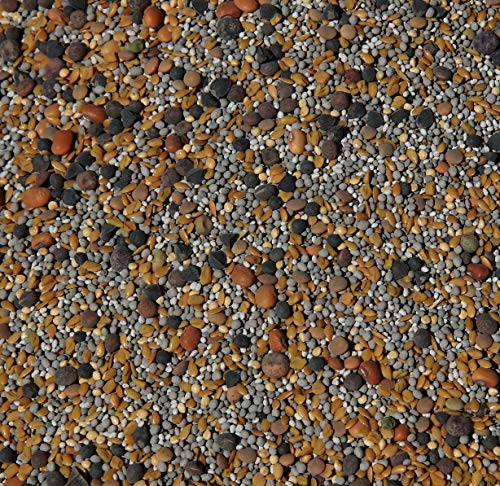
This 13-variety cover crop mix is inoculated with Rhizobium bacteria to enhance nitrogen fixation. It encourages the growth of mycorrhizal fungi, which improves nutrient uptake by plant roots and increases soil fertility. It attracts a diversity of beneficial organisms, which contribute to healthy humus formation. This mix is especially useful for clay soils needing improved aeration and nutrient cycling.
Sow Right Seeds – Winter Rye, Dutch White Clover and Winter Oats

Designed for home gardeners, this trio includes Winter Rye, Dutch White Clover, and Winter Oats. These seeds are winter-hardy and drought-tolerant, performing well in heavy clay soils. They improve soil health by suppressing weeds, preventing erosion, and adding organic matter. This collection is ideal for gardeners who want a straightforward, effective solution to clay soil challenges in their beds.
Buying Guide for Cover Crops Suited to Clay Soil
When selecting cover crops for clay soil, consider the following factors to optimize soil improvement and plant health:
1. Soil Aeration and Compaction Improvement
Clay soils are dense and poorly drained. Look for cover crops with deep or tap roots, such as radishes or vetch, which break up compacted layers to improve aeration and water infiltration.
2. Nitrogen Fixation and Nutrient Enrichment
Leguminous plants like clover, vetch, and peas fix atmospheric nitrogen, enriching the soil naturally. Mixing pest suppressive crops with nitrogen-fixers balances fertility, enhancing future crop growth.
3. Weed Suppression and Erosion Control
Dense ground cover is essential to limit weed growth and prevent soil erosion. Choose fast-growing varieties or mixes that establish quickly and create a living mulch.
4. Climate and Seasonal Suitability
Consider your regional climate and planting schedule. Some seeds overwinter and others mature quickly. Choose mixes adapted for your local growing season and frost sensitivity.
5. Pollinator and Wildlife Benefits
Including pollinator-friendly species like clover and buckwheat supports beneficial insects, improving overall garden ecosystem health. This is especially valuable for organic or sustainable gardening.
6. Seed Quantity and Coverage Area
Calculate how much seed you need based on coverage area. Some mixes provide enough for large garden beds, others are suited for smaller plots or targeted use.
7. Organic and Non-GMO Certification
If organic gardening is a priority, ensure the seed mixes are certified organic and non-GMO, reducing exposure to chemicals and supporting environmental sustainability.