Best Bulk Seeds for Microgreens: Top Indoor Sprouting Picks
Growing microgreens at home is a fast, productive way to add nutrient-dense greens to meals. This guide highlights five bulk seed options well-suited for indoor sprouting, tray growing, and countertop setups. Each selection prioritizes high germination, variety, and ease of use for beginners and seasoned urban gardeners alike. Read on to discover diverse mixes, heirloom varieties, and all-in-one kits that help you harvest in as little as 7 to 14 days.
| Product | Brand | Image |
|---|---|---|
| Microgreen Seeds Variety Pack – 10 Heirloom Types | SURVIVAL GARDEN SEEDS |  |
| Superfood Microgreen Seeds Mix | Rainbow Heirloom Seed Co. | 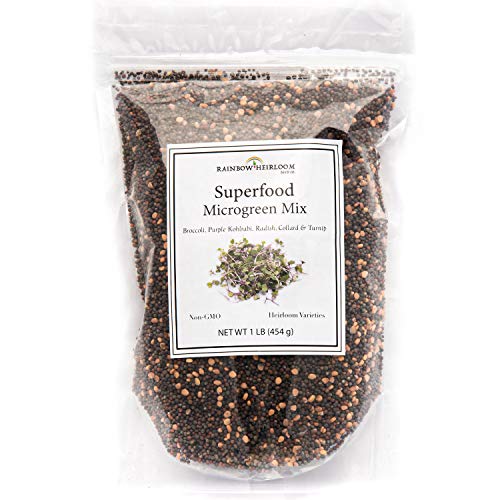 |
| 12 Variety Pack Microgreens Seeds Kit | Mountain Valley Seed Company |  |
| Seedboy Organic Non-GMO Sprouting Seeds | Seedboy |  |
| Sow Right Seeds – Microgreens Seed Sample Pack | Sow Right Seeds |  |
Note: This summary table presents a quick snapshot of the selected products. Each item below includes details, growing notes, and practical tips to help you choose the best options for your space and goals.
Microgreen Seeds Variety Pack – 10 Heirloom Types
Survival Garden Seeds offers a nutrient-dense indoor harvest with 10 heirloom microgreen varieties. This pack includes broccoli, pea, sunflower, radish, kale, arugula, beet, cabbage, buckwheat, and alfalfa microgreens. The seeds are designed for easy, space-efficient growing in small trays, making them ideal for kitchen counters and urban windowsills. Germination rates are highlighted as high, and the mix supports year-round production for toppings on salads, sandwiches, and smoothies. Ideal for beginners seeking a simple, all-in-one microgreen solution.
Rainbow Superfood Microgreen Seeds Mix
This 1-pound bulk mix combines purple kohlrabi, broccoli, radish, collard, turnip and other sprouts in a colorful, nutrient-packed assortment. Marketed as non-GMO and grown in the USA, it emphasizes top germination rates and versatility for trays, jars, or countertop sprouters. The blend provides a broad flavor spectrum and vibrant colors, making it suitable for salads, sandwiches, and bowls. A practical choice for families seeking a varied, ready-to-grow seed kit with long shelf life.
12 Variety Pack Microgreens Seeds Kit
This sampler from Mountain Valley Seed Company includes twelve 1-ounce varieties, ranging from broccoli to cilantro, peas to shiso. The kit features seeds sourced from True Leaf Market brands and other trusted sources, including organic options. Growers can expect a broad palette of flavors and textures, with guidance on indoor trays, soil or hydroponics, and compact growing spaces. It appeals to home cooks who want diverse greens and a quick harvest window for continuous yields.
Seedboy Organic Sprouting Seeds – Salad Blend
Seedboy’s Organic Non-GMO Sprouting Seeds offer a USA-grown mix featuring alfalfa, broccoli, mung bean, lentil, and radish. Designed for both sprouts and microgreens, this blend supports quick harvests in jars or shallow trays. The seeds are OTCO-certified organic and undergo rigorous quality testing to ensure purity and safety. The pack promises a nutrient-dense harvest in under a week, with mild flavors suitable for salads and toppings. This option suits health-conscious growers prioritizing organic certification and ease.
Sow Right Seeds – Microgreens Seed Sample Pack
ten premium packs covering an array of flavors, including arugula, broccoli, cabbage, cress, kale, radish, pea, basil, fenugreek, and sunflower. Harvest time is quick—about 8 to 12 days—making it easy to maintain a steady supply on a kitchen windowsill. The seeds require minimal setup, with no fertilizer or grow lights needed. This variety is well-suited for gift-giving to new gardeners and provides a reliable starter kit for microgreen enthusiasts seeking variety and rapid results.
Bulk Salad Mix Microgreens Seeds

This five-pound Mountain Valley Seed Company mix blends broccoli, kale, kohlrabi, cabbage, and arugula for a robust indoor microgreens program. The seeds offer high germination and are suitable for hydroponic setups or traditional soil trays. Growers can expect quick turnover with 7 to 10 days to first harvest in compact trays, followed by additional yields in 30 to 45 days for larger greens. The mix emphasizes versatility for countertop growing and home hydroponics, delivering consistent performance over multiple harvest cycles.
Buying Guide: Key Purchase Considerations for Bulk Microgreen Seeds
Selecting bulk seeds for microgreens requires balancing germination rates, flavor profiles, and growing conditions. Consider the following factors to optimize your setup and yields:
- Germination and purity: Look for high germination rates and certified organic options when available. Purity helps prevent unwanted sprouts in your trays.
- Seed variety and flavor: Choose mixes that offer a range of textures and tastes—mild greens for beginners and bolder varieties for experimenters.
- Growing space and setup: If you have limited counter space, select compact trays or blends designed for small trays or jars. For hydroponics, ensure seeds are suitable for water-based systems.
- Harvest timeline: Microgreens typically harvest in 7–14 days. If you want continuous production, select seeds with staggered harvest windows or a mix of quick and slower varieties.
- Organic and non-GMO options: If you prefer organic pathways, verify organic certifications and confirm Non-GMO status where important to you.
- Region and sourcing: US-grown seeds often ensure fresher germination in local climates. Consider brands with clear sourcing and transparent packaging.
- Storage and shelf life: Bulk bags should be stored in a cool, dark place. Check packaging for shelf life and resealability to maintain germination over time.
- Price per ounce/packet: Compare price per unit while factoring in germination expectations. Bulk options are cost-effective when germination is high.
These considerations help align product choice with personal goals—whether you’re growing for daily salads, meal prep, or educational projects. For beginners, starter packs and variety blends simplify decisions, while experienced growers may favor bulk mixes that maximize yield and flavor diversity.